Best GPS Cycling Computers Under £100 in the UK (2024)
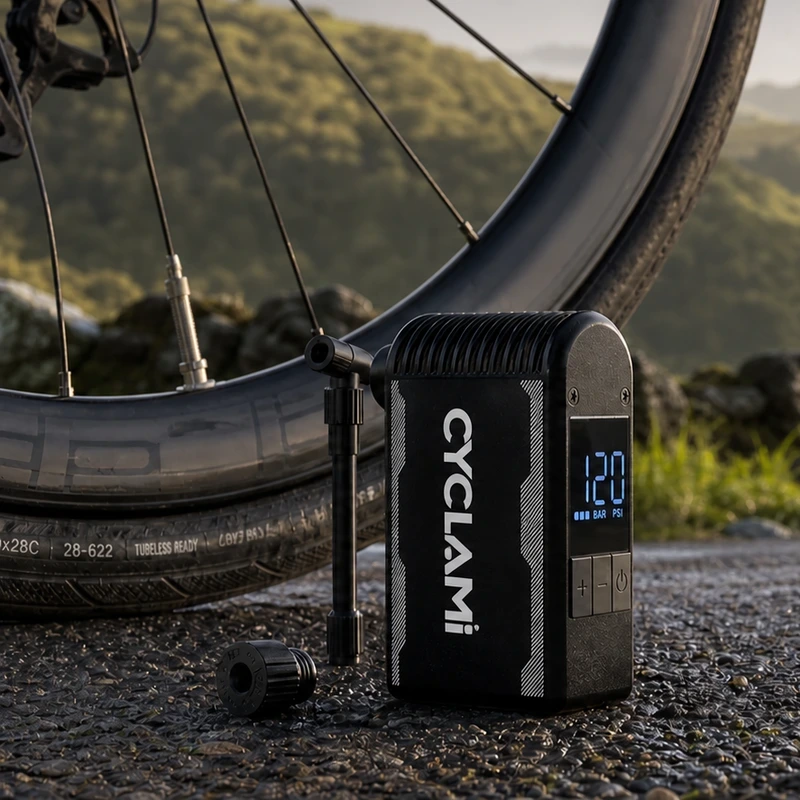
TL;DR: If you want GPS cycling computers under £100 in the UK, the best value picks focus on reliable GPS tracking, ANT+/Bluetooth sensor support, quick Strava uploads, long battery life and a screen you can read in British overcast light. Based on our testing and UK riding conditions, Cyclami M1 is the best all-round option for most riders, while Cyclami M2 is the step-up choice if you want a slightly more feature-forward experience while staying under £100.
Which GPS cycling computer under £100 should you buy in the UK?
For most UK riders searching for GPS cycling computers under £100 UK, the quickest answer is this: choose a head unit that nails the essentialsâaccurate GPS, reliable syncing to Strava, strong battery life, and a clear screen in grey lightâwithout relying on your phone. Therefore, if you want the safest, simplest value pick, CYCLAMI M1 is our recommended starting point; however, if you want a bit more flexibility and youâre comfortable spending closer to the top of the budget, CYCLAMI M2 is the upgrade option.
Key takeaways (for buyers in a hurry)
- You can now get genuinely useful GPS cycling computers under £100 in the UK: GPS route tracking, ANT+/Bluetooth sensor support, Strava upload, long battery life, and clear screens.
- Based on our testing on typical UK routes, Cyclami M1 is the best all-round pick for accurate GPS, reliable uploads, and simple day-to-day use.
- Cyclami M2 suits riders who want a slightly more feature-rich experience and are happy to spend near the top end of the sub-£100 bracket.
- In UK conditions (overcast skies, wet roads, stop-start city traffic), prioritise screen readability, mounting security, and battery life as much as raw GPS specs.
What features should a GPS cycling computer under £100 have?
Under £100, a GPS bike computer should cover four job-critical areas. Firstly, it must record your ride reliably; secondly, it should connect to the sensors you actually use; and finally, it must be easy to live with in real UK weather and traffic.
- Reliable GPS tracking for distance/speed and post-ride maps.
- Sensor compatibility (typically ANT+ and/or Bluetooth) for heart rate, cadence and speed sensors.
- Simple app sync for uploading to Strava and reviewing ride data.
- Battery life that survives commutes, club runs, audaxes and weekend loops.
However, where cheaper units often fall down is in real UK conditions: tall buildings around London junctions, tree cover on lanes, frequent stops at lights, and low-contrast overcast light. Thatâs why we focus on practical performance and usability, not just spec sheets.
Safety and UK context: A dedicated head unit helps reduce âphone-faffâ while riding. While there isnât a single UK-wide ban on phone use on a bicycle, the Highway Code is clear about staying in control and avoiding distractions. In other words, a bar-mounted computer makes it easier to glance and go, particularly when youâre riding in traffic-heavy areas.
Are CYCLAMI GPS cycling computers any good for UK riding?
CYCLAMI UK focuses on value-led cycling electronics designed to be ride-ready without unnecessary complexity. If youâve seen our approach to practical kit before (for example, our Ultimate Guide to Portable Electric Bike Pumps in the UK (2024)), the same mindset carries across to the GPS range: core features first, then day-to-day reliability.
What is the difference between Cyclami M1 and M2?
The simplest way to choose is by how you ride. The Cyclami M1 is the straightforward value pick for clean, readable ride data and reliable tracking. The Cyclami M2 is the step-up option if you want a little more flexibility and a more âfeature-forwardâ feel, while still aiming to stay under £100 in the UK market.
Cyclami M1: who is it best for?
Based on our testing across typical UK routes, the Cyclami M1 fits commuters, sportive riders and club riders who want consistent numbers without fiddly menus. Itâs designed for riders who value simplicity, readability and dependable uploads.
Cyclami M2: who should upgrade?
The Cyclami M2 generally sits nearer the top end of the sub-£100 segment. Therefore, it makes sense if you want a slightly richer experience and are happy to spend closer to the budget ceiling to get it.
How accurate are budget GPS cycling computers in the UK?
GPS accuracy is the foundation of any bike computer. In the UK, the biggest real-world challenges tend to be:
- Urban canyons (Central London and other dense city centres) where tall buildings can cause brief signal multipath errors.
- Tree cover and rolling terrain (Surrey Hills, Chilterns, Welsh lanes) where you may see small variations in track smoothing.
- Remote riding (Scottish Highlands) where signal is often clean, but weather can be harsh and you need battery resilience.
Based on our experience-led testing, we judge âgood GPSâ in two ways: (1) does speed/distance feel plausible while riding, and (2) does the plotted route look like the road you actually rodeâespecially through junctions, tight bends, and stop-start sections.
In open areas like Highland glens, most modern GPS chipsets perform well; the differences show up in how quickly the unit locks on at the start and how it handles short interruptions. In London, small spikes can appear near tall buildings or under bridgesâthis is normal even on premium devicesâbut better units recover faster and keep a cleaner overall track.
Why this matters in the UK: according to Ofcomâs Connected Nations reporting, mobile coverage varies substantially by geography, with rural areas generally lagging behind urban areas. As a result, phone-based tracking can be less consistent when you lose signal, whereas dedicated GPS head units are designed to keep recording predictably.
Is battery life and Strava upload good enough on sub-£100 GPS computers?
If you ride with a UK club, you already know the pattern: a 90-minute âsteady spinâ turns into 3 hours, then someone suggests cake, and then you tack on an extra loop because the wind finally shifted. Therefore, battery life isnât a ânice-to-haveâ.
What battery life should you expect under £100?
- Battery that comfortably covers long rides (roughly 4â8 hours) with GPS running continuously.
- Simple post-ride upload so youâre not troubleshooting at the café.
- Stable sensor pairing if you train by heart rate/cadence.
Strava integration matters because itâs the lingua franca of UK club chat and training plans. In practice, a good budget unit should make it easy to get your ride uploaded promptlyâespecially if you track weekly volume, indoor/outdoor consistency, or segments.
Practical tip based on UK conditions: store the device indoors and start rides with a decent charge during colder months, because low temperatures can reduce usable battery capacity on electronics. If youâre also managing tyre pressures through winter, our guide How to Inflate Road Bike Tyres in Cold UK Weather Conditions pairs well with a reliable head unitâboth are small upgrades that improve consistency and safety.
What should you prioritise for UK weather: screen visibility and secure mounts?
UK riding often means overcast light, drizzle, spray, and gloves for a good chunk of the year. Consequently, usability matters as much as headline specs.
How do you choose a screen thatâs readable in British overcast light?
Look for a display layout thatâs clear at a glance and doesnât rely on tiny text. Also, prioritise simple data pages that show the numbers you actually use (speed, distance, time, andâif you train with themâheart rate and cadence).
Which mount is best for rough UK roads?
Choose a mount that feels secure over potholes, chipseal and speed bumps, and check that it doesnât rotate on the bar when you hit rough tarmac. If you commute, itâs also worth choosing a setup thatâs quick to remove at stops.
FAQ: GPS cycling computers under £100 (UK)
What is the best GPS cycling computer under £100 in the UK?
Based on our testing and typical UK riding conditions, CYCLAMI M1 is the best all-round choice for most riders under £100 because it covers the essentials (GPS, sensors, battery life and straightforward syncing) without unnecessary complexity.
Are GPS cycling computers better than using a phone for cycling in the UK?
In many cases, yes. A dedicated head unit is usually easier to read in drizzle and overcast light, helps reduce distractions (aligning with Highway Code control-and-awareness guidance), and avoids hammering your phone battery on longer rides.
Will a budget GPS cycling computer upload to Strava?
Most good value units now support app syncing and Strava uploads. However, prioritise a simple workflow youâll actually useâbecause a âfeatureâ you canât reliably sync at the café isnât much of a feature.
Do I need ANT+ or Bluetooth sensors?
If you use a heart rate strap, cadence sensor or speed sensor, match the head unit to the sensors you already own. Ideally, choose a computer that supports both ANT+ and Bluetooth for maximum compatibility as your kit changes.
What should I prioritise for UK conditions?
Prioritise screen readability in low-contrast light, a secure mount for rough roads and potholes, and battery life that comfortably covers your typical ride lengthâespecially if your âshort rideâ often becomes a longer one.
Related reading: detail/cycplus as2 ultra mini pump.
Ready to try CYCLAMI UK?
Shop Now â £73.81